There’s a moment in football that doesn’t really belong to tactics anymore. It usually arrives somewhere past the 85th minute, when the structure of the match starts to loosen and everything feels slightly off balance. You can see it in the way players move. Runs get a bit longer. Passes are taken a fraction earlier. Defenders stop waiting and start reacting. The game stretches, not because anyone planned it that way, but because time itself begins to press on every decision. That’s where late goals live. And for anyone watching with a betting angle, that same moment carries a different kind of weight. It’s not just about what might happen. It’s about how it feels like something has to happen.
When Structure Starts to Fade
For most of the match, teams operate within clear limits. Shape matters. Positioning is deliberate. Even mistakes tend to follow patterns. But late on, especially in tight games, that control starts to slip. A team chasing a goal pushes numbers forward without fully resetting behind the ball. A team protecting a lead drops deeper than usual, inviting pressure they might normally avoid. The distance between lines grows. Space appears in places it wasn’t before.
You see it often in high-level matches, even involving sides like Real Madrid, where composure is usually a strength. Late in games, even they can shift from calculated play into something more instinctive. That change doesn’t guarantee a goal. But it increases the number of situations where one can happen. And more importantly, it makes those situations feel urgent.
From a football bet perspective, this is usually the point where the match stops being about pre-game expectations and starts becoming about live patterns. The structure that shaped the odds earlier begins to fade, and what replaces it is something less predictable but more reactive. You’re no longer reading the game through lineups or form, but through spacing, tempo, and how stretched everything looks in real time. That shift is subtle, but it’s often where late decisions are made, because the game starts offering moments that didn’t exist earlier.
Why Late Goals Feel Inevitable
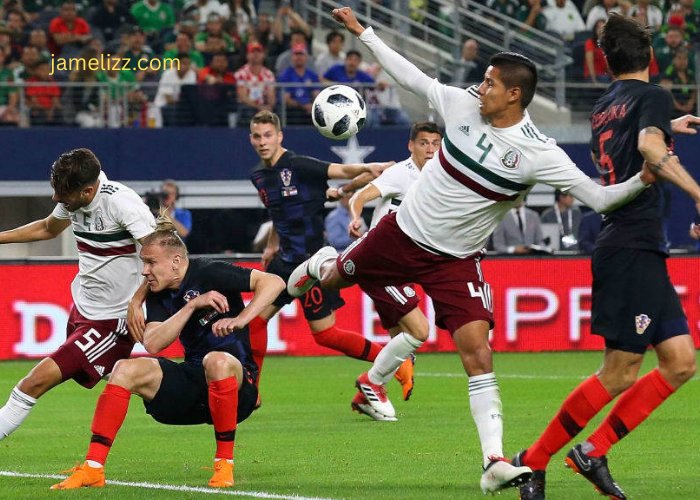
From a purely statistical point of view, a goal in the 90th minute isn’t fundamentally different from one in the 30th. It’s just another event in a long sequence. But that’s not how it’s experienced. Late goals carry context. The clock is visible. The stakes are clear. Every attack feels like it could be the last meaningful one. When a cross goes into the box, it doesn’t feel like one of many. It feels decisive. Players respond to that. So do viewers. That’s why someone like Cristiano Ronaldo built a reputation around late moments. Not because those chances only existed at the end, but because the environment made them stand out more. The same header, earlier in the match, might pass without the same reaction. Late on, it becomes defining.
The Shift From Analysis to Reaction
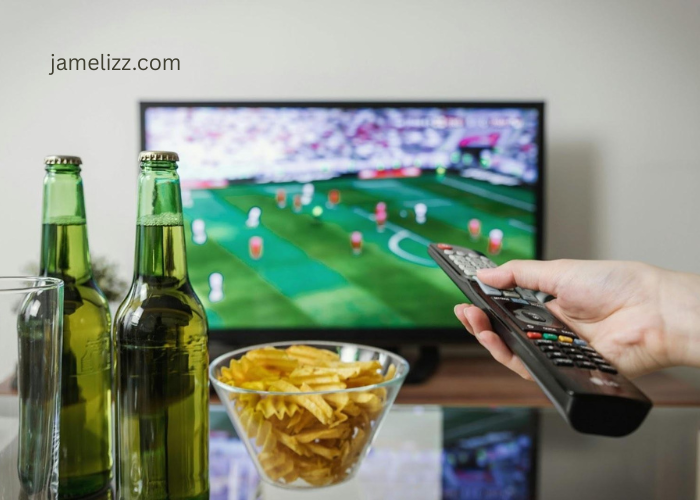
Before kickoff, betting decisions tend to come from structure. You look at form, matchups, tendencies. There’s time to think, compare, even step away and come back with a clearer view. Late in a match, that process changes completely. You’re no longer working with a full picture. You’re reacting to fragments. A half-cleared ball. A quick break. A sudden change in tempo. And because everything is compressed into a shorter window, each moment feels larger than it actually is. That’s where last-minute bets come from. Not always from a fully formed idea, but from the sense that the game is leaning in one direction and there’s only a small window left to act on it. Platforms like Betway reflect this shift in real time. Odds start moving more frequently. Markets tighten. Options appear and disappear within seconds. It creates an environment where hesitation feels like missing out. Even if the underlying probabilities haven’t changed as much as it seems.
Urgency Changes Perception
What makes late betting different isn’t just the timing. It’s the pressure that comes with it. There’s less room to second-guess. Less time to compare alternatives. The decision happens quickly, often alongside the action itself. And that urgency tends to amplify certain signals. A team pushing forward looks more dangerous than they might actually be. A series of corners feels like sustained pressure, even if each one is defended comfortably. A single shot can shift perception more than several quieter minutes before it. None of that is irrational. It’s a natural response to compressed time and visible stakes. But it does mean that late decisions are shaped as much by feeling as by information.
When the Game Speeds Up Without Changing
What’s interesting is that the game itself doesn’t always become more chaotic in a measurable way. Possession might stay balanced. Shot counts don’t always spike dramatically. But the experience of the game speeds up. Everything feels closer to an outcome. A loose ball in midfield carries more tension. A simple pass forward feels like the start of something bigger. Even pauses feel shorter, as if the match is pulling itself toward a conclusion. That’s the space where late goals happen. And where last-minute bets start to make sense, even when they wouldn’t earlier.
The Fine Line Between Signal and Noise
Not every late surge leads to a goal. Not every feeling of inevitability is grounded in something real. Sometimes the game is just running out of time. That’s the part that’s hardest to separate at the moment. Because when everything around you suggests that something is about to happen, it becomes difficult to step back and ask whether anything has actually changed underneath.
And yet, that balance between signal and noise is what defines late betting more than anything else. The moments feel bigger. The decisions feel sharper. The outcome feels closer. But beneath all of that, the game is still the same. Just moving through its final stretch, where perception starts to matter as much as reality.