Aesthetic medicine is a broad field encompassing a range of procedures to improve a person’s physical appearance and enhance self-confidence. Unlike traditional medicine, which focuses on diagnosing and treating illness, aesthetic medicine is primarily concerned with elective treatments, therapeutic techniques, and products for individuals seeking cosmetic enhancement. This rapidly growing healthcare sector leverages the latest technological advancements and innovative methods to address a wide range of aesthetic concerns. Read on to explore the early definition of aesthetic medicine, its procedures, technological influences, how to choose a practitioner such as Anne Therese Aesthetic Medicine, and future trends.
Understanding Aesthetic Medicine and Its Scope
Aesthetic medicine is a broad field encompassing both non-invasive and minimally invasive treatments. The aim is not only to improve aesthetics but also to uphold high standards of patient care and psychological well-being. Patients seek aesthetic medicine for a range of reasons, from anti-ageing treatments to body sculpting and skin rejuvenation.
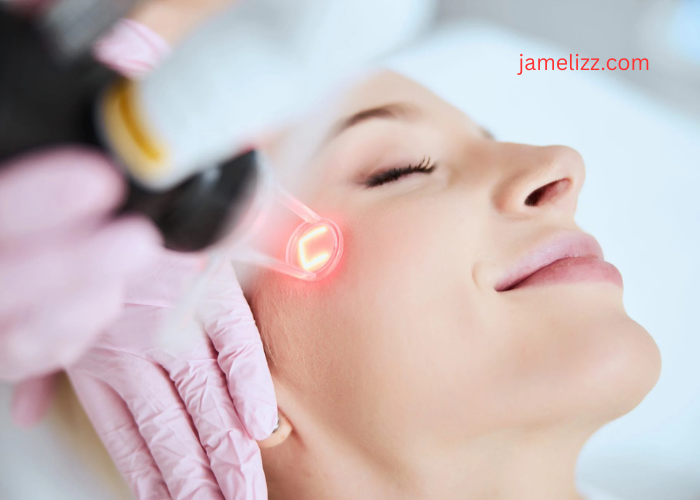
Unlike cosmetic surgery, many aesthetic procedures can be performed without general anaesthesia and often with shorter recovery times. This could involve laser treatments, injectables, chemical peels, and more. Aesthetic medicine also places a significant focus on a personalised approach, tailoring treatments to each individual’s specific needs and aesthetic goals.
Professionals working within this field are often specialised doctors, dermatologists, or aestheticians who have undergone additional training. They are experts in a wide range of techniques to enhance facial and bodily features, reduce the signs of ageing, and treat skin conditions. In some cases, aesthetic medical therapies can also have restorative applications, such as scar treatments or acne management.
Because of its less invasive nature and emphasis on elective procedures, aesthetic medicine is often seen as a convergence of medical science and the beauty industry. In addition to providing immediate physical enhancements, these procedures can yield psychological benefits by boosting an individual’s self-esteem and body image satisfaction.
The Various Procedures in Aesthetic Medicine
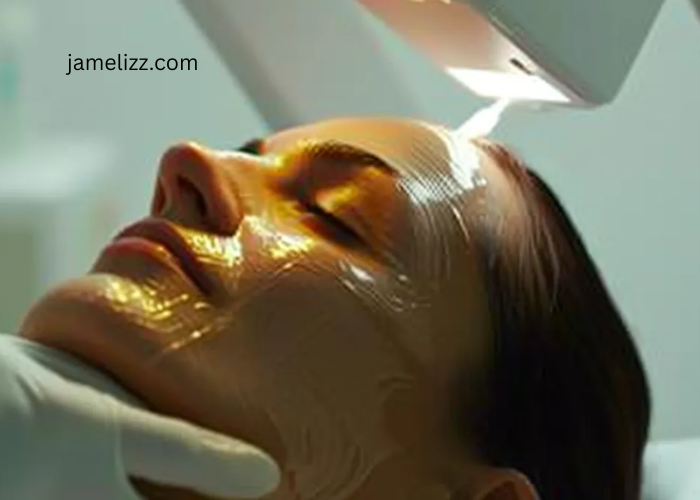
The range of procedures in aesthetic medicine continues to expand, with treatments that address almost any cosmetic concern. Injectables such as Botox and dermal fillers are immensely popular for their ability to smooth wrinkles and add volume to the face with minimal downtime. Chemical peels and microdermabrasion are also widely used to exfoliate the skin and promote a refreshed appearance.
Advances in laser technology have led to a suite of laser-based treatments that address issues such as unwanted hair, skin pigmentation, and vascular lesions. Body-contouring procedures, such as cryolipolysis and radiofrequency treatments, are in high demand for their fat-reduction and skin-tightening effects. Non-surgical methods for enhancing and rejuvenating the skin, such as microneedling and platelet-rich plasma (PRP) therapy, have similarly gained traction.
It is crucial for potential patients to have a clear understanding of each procedure, including associated risks, benefits, and expected outcomes. To this end, consultations with aesthetic medicine practitioners are integral for creating a customised treatment plan. During these consultations, patients should inquire about the details of the procedures they’re considering and set realistic expectations.
Aesthetic medicine now also encompasses an increasing variety of skincare and wellness products. These range from topical treatments containing active ingredients to nutraceuticals that promote skin health from within. In conjunction with procedural treatments, these products contribute to the overall efficacy and success of aesthetic strategies.
The Future of Aesthetic Medicine and Emerging Trends
The growing awareness of holistic wellness and preventative skincare will also influence aesthetic medicine, with an uptick in treatments that not only improve appearance but also enhance overall health. The concept of “prejuvenation,” focusing on early intervention to slow the ageing process, highlights this trend and is gaining popularity among younger demographics.
Another emerging trend is the personalisation of aesthetic treatments through genetics and biometric analyses. Such approaches could lead to the creation of customised skincare regimens and treatments tailored to an individual’s genetic makeup, lifestyle, and environment. This level of customisation would signify a new era in personal aesthetics, bridging the gap between health, beauty, and biotechnology.
Finally, as virtual reality (VR) and augmented reality (AR) technology advance, we may witness their integration into the aesthetic space for treatment planning and patient education. The enhanced ability to visualise potential outcomes could further empower patients in their decision-making while improving satisfaction with treatment outcomes.
Aesthetic medicine is a dynamic field that not only offers a wide range of treatments for those seeking cosmetic enhancements but also continues to evolve through the integration of groundbreaking technologies. As it progresses, the key to a successful aesthetic journey remains finding skilled, ethical practitioners who prioritise patient well-being and can navigate the latest innovations to deliver safe, effective outcomes.