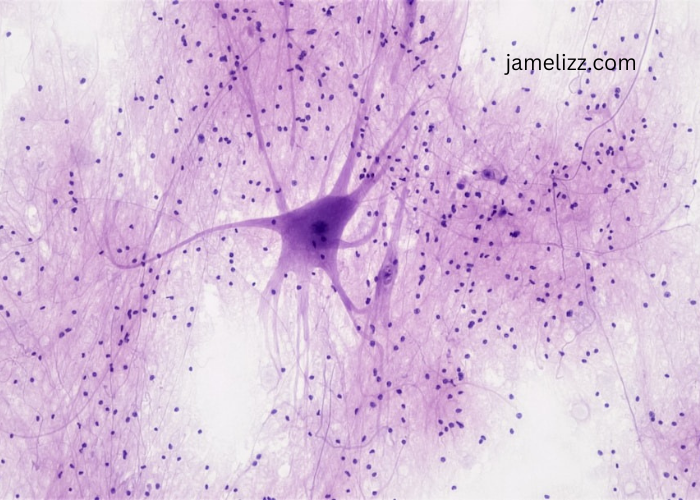
NAD, shorthand for nicotinamide adenine dinucleotide, plays a vital role in the inner workings of our cells, akin to a spark plug that ignites cellular metabolism. Eager to understand how NAD might fortify your body against time and disease? Keep reading to uncover the scientific discoveries surrounding this molecule’s remarkable capabilities. You can also delve deeper into the Science Behind RESTORIN by Seragon Biosciences for even more insights.
Defining Cellular Metabolism and NAD’s Role
Within the bustling microcosms of the body, cellular metabolism serves as the cornerstone of vitality, with NAD standing as a sentinel, ensuring energy conversion proceeds uninterrupted. The enzymatic involvement of NAD has emerged as an area of scientific inquiry, displaying potential for modulating neuroinflammation linked to cellular stress responses. Enhanced understanding of these mechanisms could lead to breakthroughs in cellular health, with NAD steering the ship toward optimized metabolic functions.
Enhancing Brain Health Through NAD
NAD has garnered attention for its crucial role in promoting longevity and staving off neurodegeneration—a common consequence of aging. Current research delves into the loss of NAD as humans reach menopause or advance in age and the subsequent effects on cell health in the brain. Meanwhile, understanding how this pivotal nucleotide facilitates cognitive functions and the retention of memories is of paramount interest, given the prevalence of cognitive decline. Various methods to augment NAD levels are being investigated, with the aim of bolstering neuronal integrity and maintaining the robust performance of the human brain.
Impact of NAD on Energy Production in Cells
Studies using mouse models have unveiled intriguing facets of NAD’s influence on energy production. Within the skin cells of mice, increased NAD availability positively correlated with a rise in gene expressions linked to metabolism, signaling a broader application of NAD in enhancing vitality at the cellular level.
The relationship between NAD levels and fat metabolism has been a focal point in national health discussions. Research indicates that NAD not only supports the breakdown of fat for energy but also fosters the maintenance of healthy cellular functions, affirming its indispensable role in the body’s metabolic network.
Potential Benefits of NAD in Fighting Infections and Inflammation
Recent studies have shown that enhanced NAD biosynthesis can play a significant role in strengthening the immune response to infections, indicative of its potential in reducing inflammation. Sufficient NAD has been linked to the stimulation of DNA repair mechanisms, bolstering the body’s resilient architecture in the face of bacterial and viral threats.
NAD’s Benefits for Muscle Function and Endurance
NAD activates sirtuin pathways that prompt the repair and maintenance of muscle cells, leading to improved recovery times following physical exertion. Sirtuins also aid in reducing inflammation, a common obstacle to muscle healing, which consequently supports better performance and endurance.
By influencing circadian regulators, NAD helps sustain homeostasis, which includes the regulation of sleep cycles critical for muscle recovery. This regulatory capacity of NAD means that better sleep could indirectly contribute to muscle health through more efficient energy use and recovery.
How NAD Influences the Process of Fixing DNA
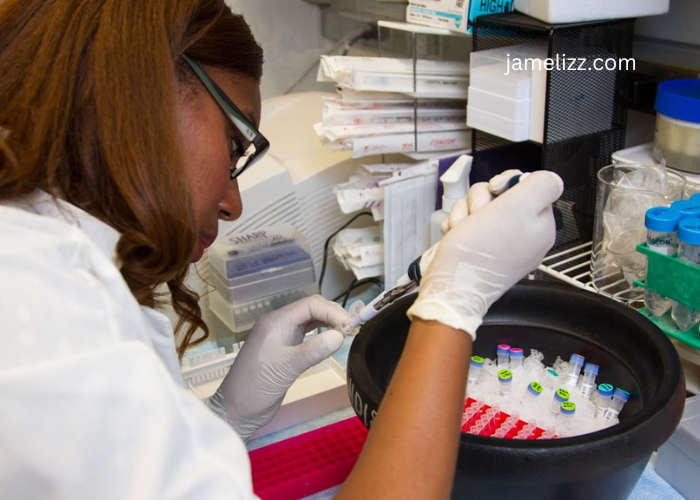
Scientists are closely examining NAD for its potential to enhance DNA repair processes. The efficacy of NAD in shoring up the body’s built-in mechanisms for correcting damaged DNA is revealing promising avenues for future health applications.
Consistent DNA repair shields the body from oxidative stress, the silent antagonist known to accelerate aging and disease progression. When cells repair DNA with efficiency, they uphold the integrity of the circadian rhythm, an essential regulator of physiological processes, as mentioned above. This process becomes even more critical after exposure to ultraviolet rays, where an abundance of a precursor like nicotinamide riboside can be a game-changer in preventing the long-term consequences of sun damage.
Conclusion
NAD is a coenzyme vital for energy production, DNA repair, and metabolic processes. It aids in everything from enhancing brain and muscle function to bolstering the immune system and combating the effects of aging. Maintaining optimal levels of NAD is key for preserving cellular health and overall well-being. Consequently, interest in NAD supplementation and dietary strategies to support its levels reflects the significant role it plays in maintaining bodily functions.