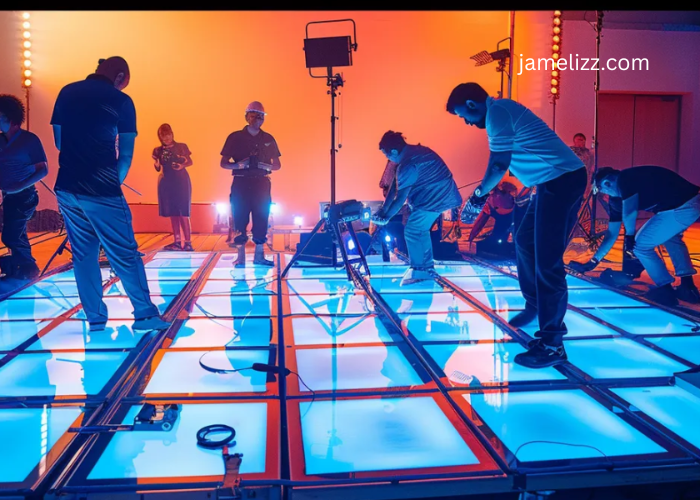
Selecting whether to rent or buy a dance floor is a significant decision for event planners and venue owners alike. Understanding the cost implications and logistical concerns involved in both options can greatly impact event outcomes and business operations. Comparing the two choices involves examining the initial investment, maintenance costs, storage needs, and the flexibility required for different types of events. In this article, we delve into these elements to inform a decision that aligns with your unique circumstances and event planning goals.
Analyzing Cost Differences: Dance Floor Rental vs. Buying
When comparing the costs of renting versus buying a dance floor, the frequency of use is a critical determinant. Renting may be cost-effective for occasional events, avoiding the higher initial outlay for purchase. Conversely, regular event hosts could find buying more economical over time.
Dance floor rentals can vary in price depending on factors like size, style, and location, with the potential for additional charges including delivery, setup, and takedown. Comparing this to the one-time purchase cost, and any maintenance expenses, is essential for precise financial planning.
For those considering purchase, calculating the break-even point the number of rentals equivalent to the purchase cost—can provide actionable guidance. This analysis helps determine at what stage ownership becomes more financially viable than renting, adjusting for factors like maintenance and potential resale value.
Assessing Long-Term Value for Event Planners: Rental and Purchase Considerations
Long-term value is another crucial factor for event planners considering dance floor options. A purchased dance floor can yield a return on investment if used frequently, eliminating repeated rental fees. However, depreciation and the potential for outdated styles can affect its long-term value.
Renting a dance floor, on the other hand, offers planners access to a variety of contemporary styles and sizes, ensuring that each event feels unique. This adaptability can be particularly valuable in a market where trends and client preferences change frequently.
It’s recommended that planners calculate the anticipated lifespan and usage of a dance floor if considering purchase, as well as factor in any revenue opportunity from offering the dance floor as a rental to others. This can help in assessing whether the investment aligns with business strategy and customer demand.
Space and Storage Constraints: Making the Smart Choice for Your Venue
Space considerations can heavily influence the decision between renting and purchasing a dance floor. Owning a dance floor necessitates adequate storage space, which can be a luxury for some venues, potentially increasing costs through the need for additional storage solutions.
Additionally, improper storage can lead to damage and increased maintenance costs, factors that don’t apply to rentals. Renting frees venues from these concerns, assuring a professionally maintained and delivered dance floor on demand, without the need for extensive space.
Before making a decision, evaluate your venue’s storage capabilities against the size and frequency of events anticipated. If the available space is better utilized for other operational purposes, renting might be the smarter choice to optimize your venue’s resources.
Flexibility and Variety: How Rental and Purchase Options Affect Event Design
Customization and variety are paramount in event design, and this extends to dance floors. Rental options provide the opportunity to tailor the dance floor to the specific theme or style of each event, offering a fresh experience every time.
In comparison, owning a dance floor could limit an event’s design to the style of the available floor unless additional coverings or customizations are applied often at additional costs. For those hosting a diverse array of events, the ability to dance floor rental can be a compelling reason to avoid purchase.
The choice between renting and buying may ultimately come down to the type of events you host. If your events require a high level of customization and you wish to regularly refresh the experience for guests, the flexibility of rental may be the decisive factor for your business model.
Ultimately, the decision to rent or buy a dance floor involves balancing cost, convenience, space, and the need for flexibility. Renting offers variety and hassle-free maintenance, ideal for varied and infrequent events, while purchasing can be economically favorable for venues with regular usage and sufficient storage. Weighing these factors against the nature and frequency of your events will guide you to a decision that enhances both guest experience and business operations.